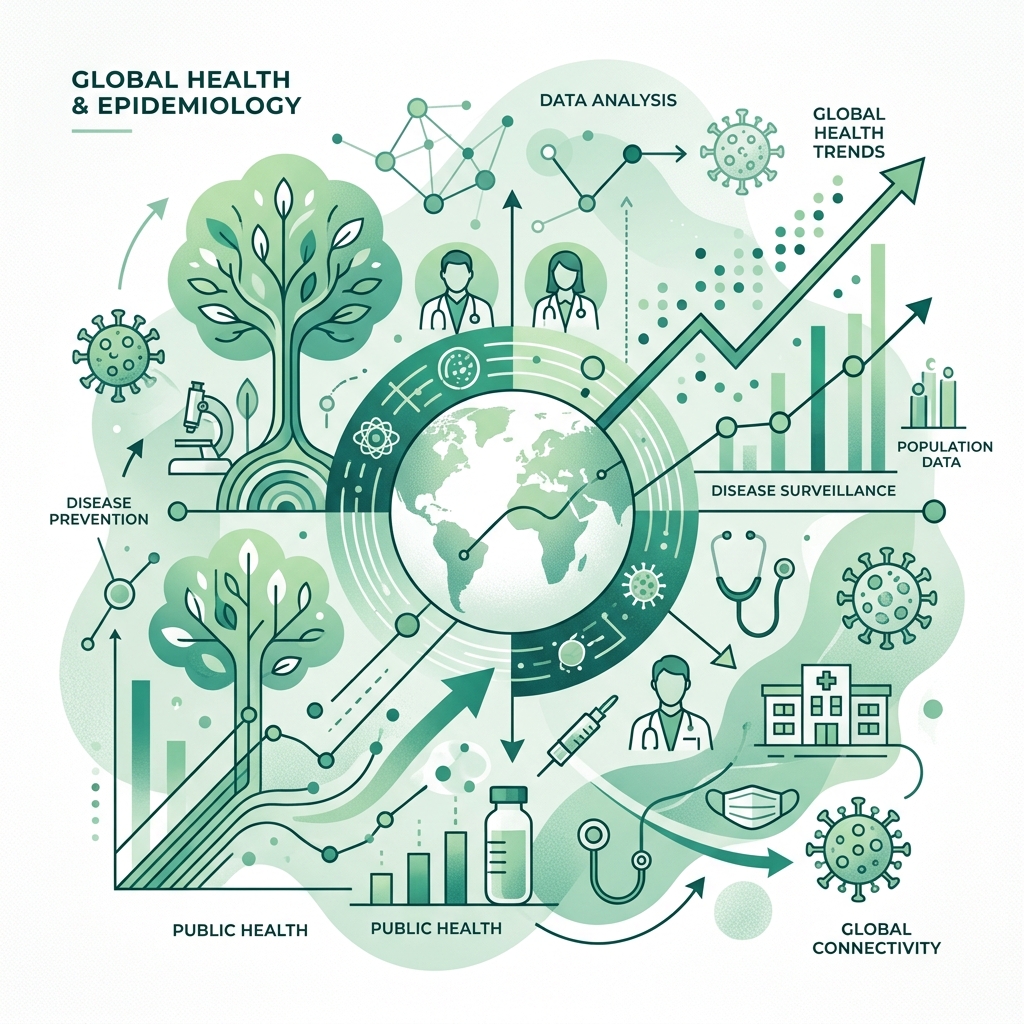
Public Health362 views
Changing teaching through formative assessment: A Review
A peer-reviewed scientific paper by Paul et al. investigating changing teaching through formative assessment: a review.
Dr. Sajuti SarkarJan 1, 202610 min read
"Our daily life is nothing but the Biochemistry. Lets know and realise it easily to enjoy the life."
Welcome to BioMedica — an open-access platform. We decode the complex biochemical pathways that govern your everyday experiences, translating medical research into practical health knowledge.
A peer-reviewed scientific paper by Dr. Sajuti Sarkar et al. investigating serum protein signatures predict clinical response to immune checkpoint inhibitors in non-small cell lung cancer.
A peer-reviewed scientific paper by Dr. Sajuti Sarkar et al. investigating serum protein signatures predict clinical response to immune checkpoint inhibitors in non-small cell lung cancer.
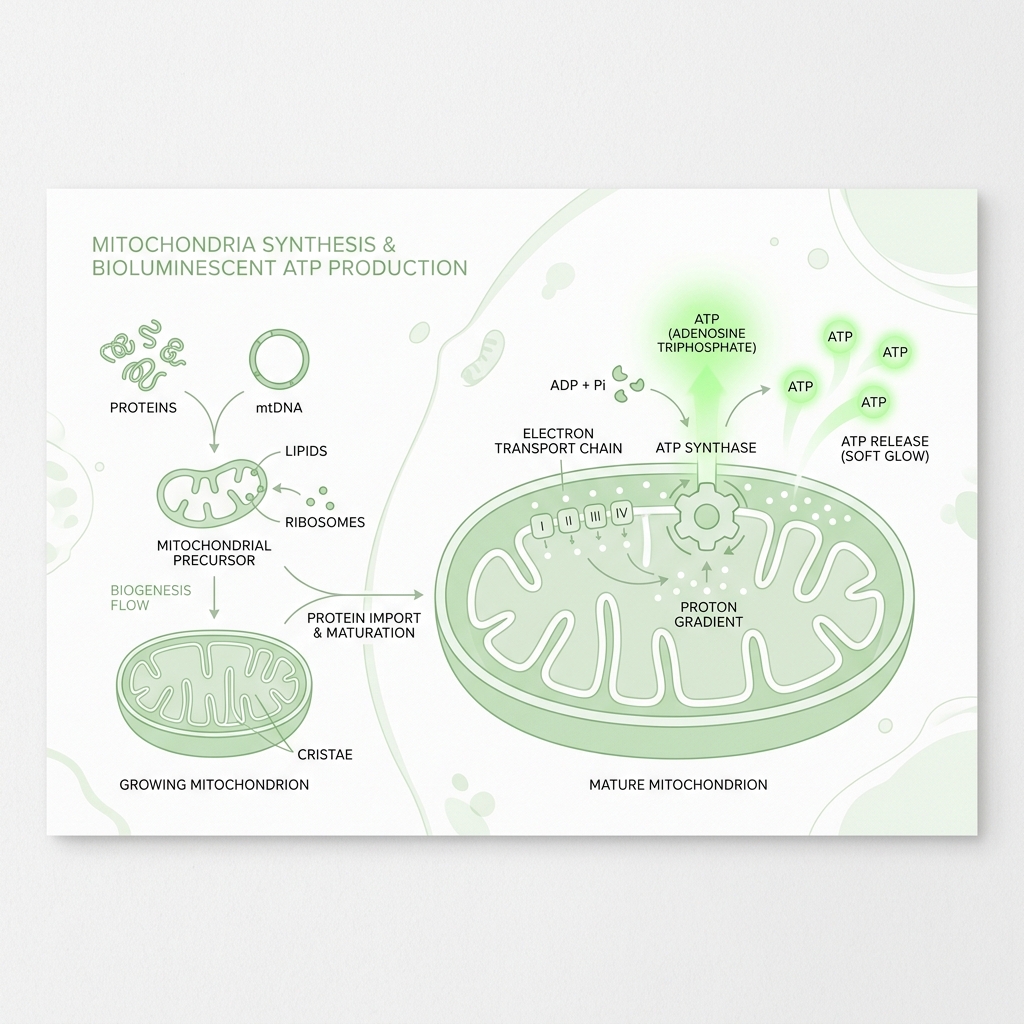
From Adenosine accumulating in your brain to signal sleepiness, to Mitochondria synthesizing ATP for cellular energy, your body is a magnificent biological reactor. Discover how your biology works.
Academic Focus Areas
Biomedical science bridges the gap between molecular interactions and clinical therapies. Explore how our primary disciplines dissect these intricate chemical processes.
Investigating cellular pathways, signal transduction networks, and molecular mutations that lead to human disorders. We decode the mechanisms of modern drug therapies at a sub-atomic level.
Exploring gene expression, epigenetic modifications, and genetic variants that impact susceptibility to diseases. Learn how your environment interacts with your core DNA sequence.
Analyzing the chemical neurotransmitters and hormonal fluctuations that regulate sleep pressure, neural activity, melatonin synthesis, and hormonal cortisol stress spikes.
Understanding glycolysis, the citric acid cycle (Krebs), and oxidative phosphorylation. We detail how nutrition and micro-nutrients modulate cellular ATP energy outputs.
Every metabolic cycle in your body is a coordinated relay of chemical conversions. When you digest carbohydrates, they are broken down into **Glucose** ($C_6H_12O_6$), initiating a multi-stage energy harvesting cascade:
Glucose splits into 2 Pyruvates. Releases cellular energy carriers.
Pyruvates oxidation to Acetyl-CoA. Electron harvest with $CO_2$ release.
NADH/FADH₂ supply electrons to drive proton pump. Oxygen binds with $H^+$ to yield water.
A peer-reviewed scientific paper by Paul et al. investigating changing teaching through formative assessment: a review.
A peer-reviewed scientific paper by Samsunnahar et al. investigating study of serum zinc status in bangladeshi women taking oral contraceptives.
A peer-reviewed scientific paper by Paul et al. investigating present status of portfolio based training and assessment in postgraduate residency program in bangabandhu sheikh mujib medical university (bsmmu): a quantitative approach.
A peer-reviewed scientific paper by Faria Talukder et al. investigating association between hypertension and dementia in elderly patients.
A peer-reviewed scientific paper by Dr. Sajuti Sarkar et al. investigating linkedin post on scholars middle east publishers.
A peer-reviewed scientific paper by Dr. Sajuti Sarkar et al. investigating serum protein signatures predict clinical response to immune checkpoint inhibitors in non-small cell lung cancer.
Clinical biochemistry, molecular diagnostics, and metabolic research.
Core biomedical engineering topics and innovation.
Genomics, sequencing, and molecular discoveries.
Devices, implants, and real-world biomedical tools.
Artificial intelligence in diagnostics and clinical work.
Population health, epidemiology, and healthcare systems.
Medical literature shouldn't be locked behind a $40 paywall per article. BioMedica is founded on a simple realization: the mechanisms that dictate sleep cycle depth, energy generation, mood control, and stress management are pure biochemistry. When we understand these reactions, we can make lifestyle adjustments backed by peer-reviewed evidence.
This website is structured as an open-access library. We translate complex molecular pathways and cellular biochemistry into understandable summaries with verified references. Every article draft undergoes strict checkings for citations and DOIs so that readers can verify research papers directly.
Clear answers regarding our editorial system, open access philosophy, and biochemistry sources.
From the moment you wake up, your systems are running on chemistry. For example, sunlight triggers the breakdown of melatonin, waking you up. Eating carbs releases glucose, triggering insulin signals to open cellular gates. Exercise triggers endorphin receptors. BioMedica believes that realizing these molecular processes enables healthier, scientifically informed daily choices.
The platform is designed by a biomedical science graduate. The articles are compiled by citing academic databases such as PubMed, PMC, and Medline. We focus on translating academic jargon into readable articles, while maintaining chemical accuracy by spelling out equations, pathways, and chemical formulas.
Unlike casual fitness blogs, every article published here contains a dedicated **Reference List** at the bottom. We provide direct hyperlinked Digital Object Identifiers (DOIs) and publication details (journal name, authors, and year) so that any claim can be traced back to its peer-reviewed source.
We believe that health literacy is a fundamental right. Requiring logins creates friction that deters public readers from seeking scientific data. By removing all paywalls, registration forms, and advertisements, we ensure a clean, high-performance learning environment.
Currently, the platform's editor portal is restricted to the administrator session. However, we encourage peer dialogue through our comments sections. Students and researchers can suggest additions or highlight recent papers directly in the comments.